

3. Quanto tempo dura depois de aberto?Refrigere em um recipiente de vidro ou plástico e consuma em até 3 a 4 dias. Não guarde na lata de metal aberta.4. Posso usar aspargos brancos em conserva em pratos quentes?
Sim. Funcionam muito bem em sopas, assados, refogados e caçarolas. Basta aquecer em fogo baixo para evitar que fiquem moles demais.
5. As latas são livres de BPA ou quais opções de embalagem existem?
Utilizamos materiais padrão próprios para contato com alimentos. Muitos compradores solicitam tampas ou latas específicas — informe-nos suas necessidades. Podemos discutir alternativas.
6. Qual a melhor maneira de melhorar o sabor?Escorra bem (ou enxágue), seque com papel-toalha e tempere generosamente — com manteiga de alho, ervas, queijo, molho holandês ou vinagrete. Pequenos detalhes fazem toda a diferença.
7. Vocês oferecem suporte a marcas próprias e pedidos de teste em pequena escala?
Com certeza. Trabalhamos com OEM/ODM, embalagens mistas para testes e programas completos de marca própria. A quantidade mínima para testes é flexível.
8. Como os importadores devem avaliar os fornecedores?
Solicite relatórios de auditoria recentes, especificações de peso drenado, consistência das amostras e referências do seu mercado. Visite as instalações, se possível, ou comece com um contêiner de teste.Concluindo: Um parceiro confiável para suas necessidadesOs aspargos brancos em conserva não pretendem substituir a emoção da colheita fresca da primavera. São a solução prática e de alta qualidade que mantém o seu menu consistente, as suas prateleiras cheias e os seus custos previsíveis durante o resto do ano.
Com base em nossa experiência em embalagem e exportação desses produtos, o sucesso reside nos detalhes: seleção consistente de matéria-prima, processamento cuidadoso, especificações transparentes e comunicação eficaz com os compradores. Na Amoytop Foods, focamos nesses fundamentos — marcas Hopeland e Freshsmile, ou sua própria marca — entregues com as certificações exigidas pelos mercados globais.Seja para abastecer prateleiras de supermercados, fornecer restaurantes, desenvolver linhas de marca própria ou construir um programa sólido de serviços de alimentação, os aspargos brancos em conserva podem ser um herói discreto na sua linha de produtos. Já ajudamos muitos parceiros a fazer exatamente isso.Se você está pesquisando opções ou pronto para discutir especificações, entre em contato. Respondemos rapidamente e podemos compartilhar amostras, preços atuais e soluções personalizadas para o seu mercado. Vamos conversar sobre o que funciona para o seu negócio — qualidade consistente não deve ser sazonal.
· Larger tins (1700ml to 3100ml): for bulk cooking, ready-meal lines, and catering.
· Picnic tins and rectangular cans for shelf appeal and different display needs.
· Options for whole spears, tips & cuts, or mixed styles.
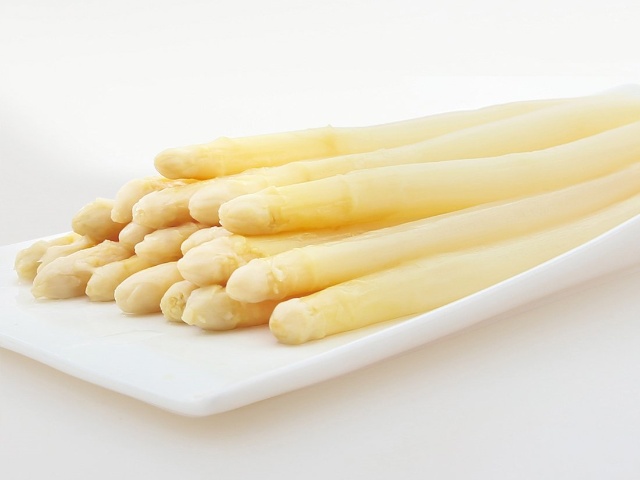
White asparagus stays pale and tender because it grows without light. In the can, it keeps that delicate flavor profile — slightly sweeter and less grassy than green. We support both white and green, plus custom cuts. Ingredients stay minimal: fresh asparagus, water, salt, and citric acid (E330) for color stability.
Certifications are non-negotiable for serious buyers. Our lines carry BRC, IFS, HACCP, ISO, Kosher, Halal, and others. This opens doors in Europe, North America, Latin America, Australia, and across Asia. Honestly, this is where many new importers get burned — they chase the lowest price and end up with products that fail audits or disappoint end customers on texture and drained weight.
The Production Reality: From Field to Can
Let me walk you through what actually happens on the floor, because this is where experience separates reliable suppliers from the rest.
Harvest happens at the right maturity — tight tips, tender stalks. For white asparagus, timing and blanching method affect final hardness and appearance. Spears get washed thoroughly, sorted by size, and blanched to inactivate enzymes. Then comes filling: we aim for good piece integrity and consistent fill ratios so every can meets expectations.
Sterilization is critical for low-acid vegetables like this. Proper pressure and time ensure safety while preserving texture. Over-processing turns spears soft; under-processing risks shelf life. We’ve refined our parameters over years of running these lines.
Here’s a real scenario we’ve seen repeatedly: A buyer sources from a new supplier offering great-looking samples. In production volume, though, drained weights drop, spears vary wildly in length, or the brine clouds up. Portion costs go haywire and returns start. Switching to consistent specs fixes that fast. Our typical drained weights (205g on 370ml, 395g on 720ml) give buyers predictable yield.
OEM/ODM is straightforward. Private label? Yes. Custom brine strength, specific spear lengths, or unique can shapes? We can discuss it. MOQ is one 20ft container, but we often mix 3–4 SKUs for trial orders. Lead time runs around 20–30 days after deposit and label approval. Payment is standard T/T 30% deposit.
Health Angle: Nutrition That Holds Up
Canned white asparagus isn’t “just canned food.” It retains solid nutrition. You get fiber for digestion, vitamin K for bone health and clotting, folate, and antioxidants. Some water-soluble vitamins leach into the brine, but overall it’s still a low-calorie, nutrient-dense option — especially when fresh isn’t practical.
Many health-conscious consumers appreciate the convenience. Drain, rinse if you want to reduce sodium, and use. It’s naturally gluten-free and fits keto, low-carb, or Mediterranean-style eating.
Real-World Uses: Beyond Basic Sides
This is where canned white asparagus spears really shine — versatility in busy operations.
Classic European style: Warm the spears gently and serve with hollandaise sauce, melted butter, or wrapped in ham/prosciutto. Chefs love this for brunch or dinner service because it’s quick and looks premium.
Salads and cold apps: Drain well, toss into mixed greens with vinaigrette, capers, chopped eggs, and peppers. One simple recipe we’ve seen work well: white asparagus with a caper salad — peppers, onion, hard-boiled eggs, olive oil, vinegar. Pairs beautifully with smoked salmon.
Soups and creamy dishes: Blend drained spears into velouté or cream soups. The mild flavor takes herbs, garlic, or cheese nicely without overpowering.
Casseroles, bakes, and stir-fries: Layer into quiches, pasta bakes, or rice dishes. For hot applications, pat dry first — this avoids the watery taste some people associate with canned veggies. A quick sauté in garlic butter or roast/air-fry can crisp edges nicely.
Food service hacks: Buffet lines use larger tins for volume. Ready-meal producers appreciate the long shelf life and consistent sizing for automated lines.
Pro tip from the factory side: Always drain thoroughly and consider the liquid. Some chefs use a bit of the brine in soups or stocks for extra flavor. Don’t overcook — these spears are already tender.
We’ve helped importers adapt recipes for local tastes. In Asia, they might go into stir-fries or fusion salads. In Europe and Latin America, classic presentations dominate. The key is treating them as a convenience ingredient, not a poor substitute for fresh.
Common Challenges and How to Avoid Them
Buyer mistake #1: Focusing only on price per can instead of drained weight and piece count. You might pay less upfront but get fewer usable spears and higher effective cost.
Mistake #2: Ignoring certifications until an audit hits. Then it’s panic time. Work with suppliers who already export to your target markets.
Mistake #3: Poor storage or handling after opening. Once opened, transfer to a non-metal container and refrigerate — use within 3–4 days.
Supply chain headaches: Weather, harvest variability, or logistics delays can affect fresh but less so canned when you have good partners with multiple sourcing areas. We’ve navigated these for years.
Another real talk point: Not all cans are created equal. Look for firm spears, clear brine, and minimal defects. U.S. Grade standards talk about color, defects, character, and flavor — we aim high on those metrics.
8 FAQs About Canned White Asparagus Spears
1. Is canned white asparagus as nutritious as fresh? It’s very close. Heat processing affects some vitamins, but fiber, minerals, and many antioxidants remain. It’s a practical way to get those nutrients year-round.
2. What’s the difference between white and green canned asparagus? White is milder, more tender, and slightly sweeter — popular in gourmet and European dishes. Green has a bolder, grassier flavor and more chlorophyll-related compounds.
3. How long does it last after opening? Refrigerate in a glass or plastic container and use within 3–4 days. Don’t store in the opened metal can.
4. Can you use canned white asparagus spears in hot dishes? Yes. They work great in soups, bakes, sautés, and casseroles. Just heat gently to avoid mushiness.
5. Are the cans BPA-free or what packaging options exist? We use standard food-grade materials. Many buyers request specific lids or cans — let us know your requirements. We can discuss alternatives.
6. What’s the best way to improve the flavor? Drain well (or rinse), pat dry, then season boldly — garlic butter, herbs, cheese, hollandaise, or vinaigrette. Simple enhancements make a big difference.
7. Do you support private labeling and small trial orders? Absolutely. We handle OEM/ODM, mixed containers for trials, and full private label programs. MOQ is flexible for testing.
8. How should importers evaluate suppliers? Ask for recent audit reports, drained weight specs, sample consistency, and references from your market. Visit facilities if possible or start with a trial container.
Wrapping It Up: A Reliable Partner for Your Needs
Canned white asparagus spears aren’t about replacing the excitement of fresh spring harvest. They’re the practical, high-quality solution that keeps your menu consistent, your shelves full, and your costs predictable the rest of the year.
From our experience packing and exporting these products, success comes down to details: consistent raw material selection, careful processing, honest specs, and strong communication with buyers. At Amoytop Foods we focus on those fundamentals — Hopeland and Freshsmile brands, or your own label — delivered with the certifications global markets demand.
Whether you’re stocking supermarket shelves, supplying restaurants, developing private label lines, or building a steady food service program, reliable canned white asparagus spears can be a quiet hero in your lineup. We’ve helped many partners do exactly that.
If you’re researching options or ready to discuss specs, reach out. We reply quickly and can share samples, current pricing, and tailored solutions for your market. Let’s talk about what works for your business — consistent quality shouldn’t be seasonal.
O chá branco é mais suave, delicado e ligeiramente mais doce — popular em pratos gourmet e europeus. O chá verde tem um sabor mais intenso, herbáceo, e contém mais compostos relacionados à clorofila.